Posted in Death and Dying, Elderly, Loneliness

Checking-in for a Different Ending

When I heard that Gene Hackman and his wife were found dead in their home, I thought, as most of you did, that there was foul play. It took more than a week to find out what had really happened to claim the lives of Mr. Hackman and his wife, Betsy Arwakawa, and the truth was even more tragically sad than if they had been murdered.

My caregiver support group met the day before the news broke about how the couple had actually died. We conjectured that maybe Hackman’s wife had been struck ill and couldn’t care for herself or her elderly husband who suffered from Alzheimer’s. I looked around at my group of friends, most of whom are the primary caregivers of a spouse living with dementia, and I asked some hard questions: “What if something happened to you? Would your loved one be able to call for help? Does a friend or family member check on you regularly?”

Well, it turns out that we were right about how Gene Hackman and his wife died. Our experience of taking care of someone with dementia made us “experts” on the case.  Family caregivers know firsthand what it means to become so focused on the health and well-being of a loved one, that they don’t make time for their own health or needs. You probably won’t believe this, but 30% of family caregivers die BEFORE their care partners.

Why didn’t the Hackmans have friends or family to check up on them? The news stories tell us that the Hackmans “kept isolated” or “preferred privacy.”  That may make them sound strange or reclusive. Well, Alzheimer’s is a very sad disease. One of the first signs of dementia is social anxiety and the resulting isolation. The person suffering from dementia is aware that they are becoming forgetful, so they pull away from social situations because it’s uncomfortable for them. They don’t want to be embarrassed by forgetting someone’s name or being asked a question they can no longer answer. When they start pulling away, their spouse or care partner might become isolated by default. When you keep refusing invitations, after a while, the invitations stop coming.

The Hackman case is extremely sad, but unfortunately, it’s not unheard of. I didn’t want my friends in my caregiver support group to have to dwell on the sad reality of possibly dying alone, but before we ended our meeting that day, everyone promised to find someone to whom they could be accountable.
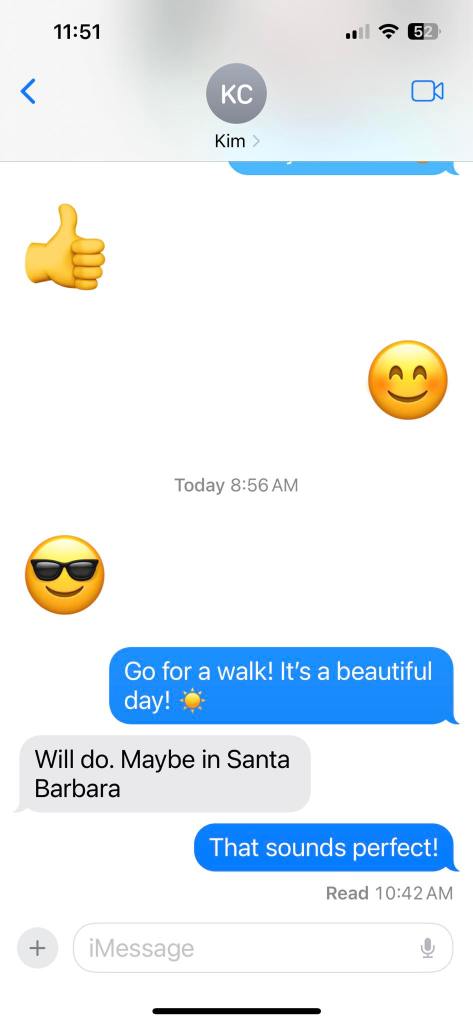
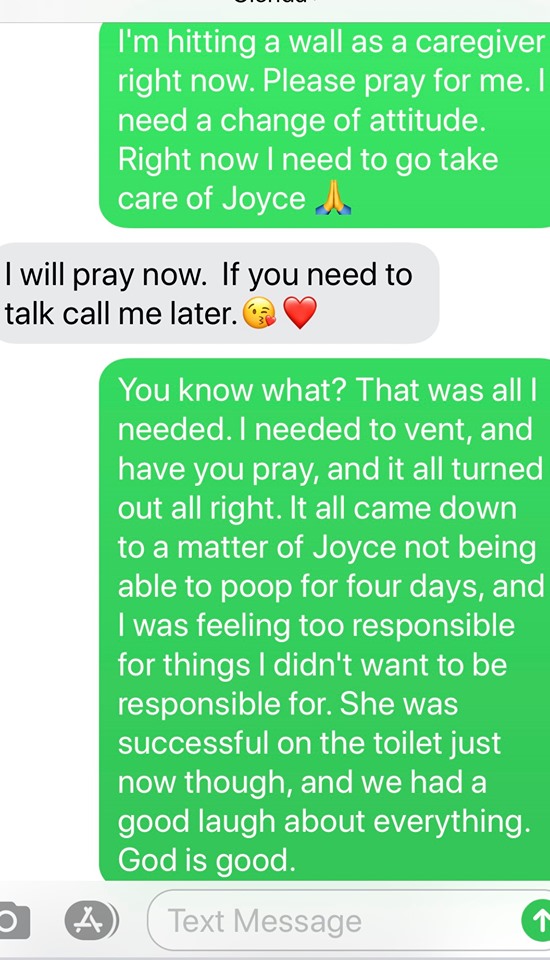
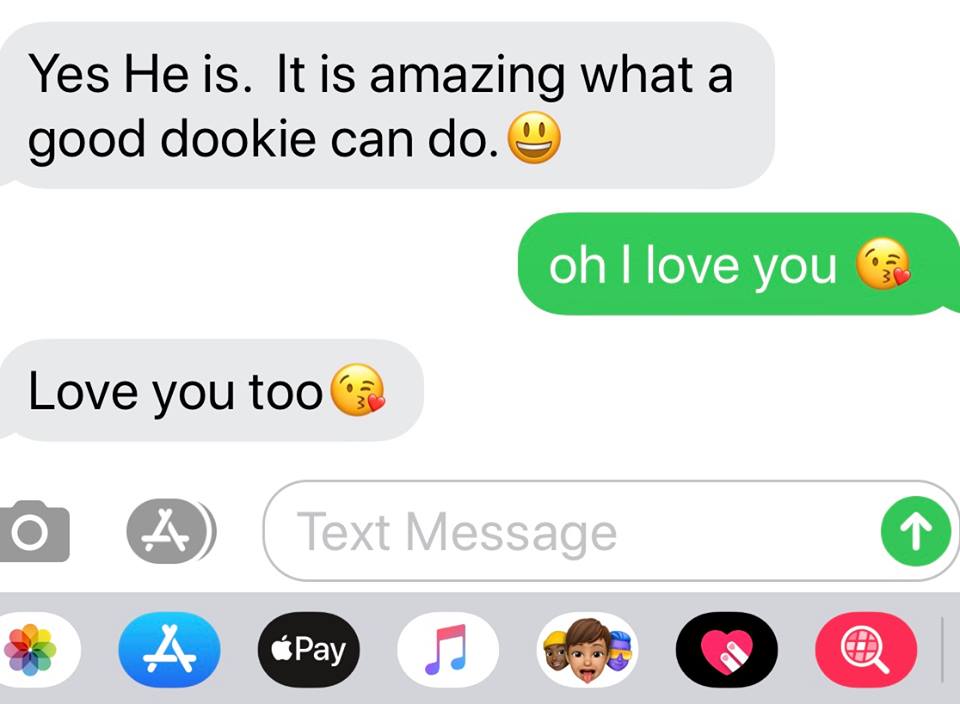
If you live alone, or if you live with someone who has dementia, make sure you check in with a friend or family member every day. Just send a thumbs up or a short message. There are 4 people who contact me every day, basically to let me know that they are alive. They send me a short text message, (or their results from Wordle) and I respond accordingly. If you know someone who is in this situation, ask them to be accountable to you. If Gene Hackman’s wife had just checked in with a friend every day, perhaps letting them know she was sick, she might have received the help she needed, and her husband and pets would not have been left alone, unable to provide for themselves.

Consider the investment of those few moments each day for the wellbeing of yourself and your loved ones.

Posted in Bedridden, Caretaker, Death and Dying, Death and Dying, Elderly, Faith, Hospice, pain, pain management, Sickness

A Life of Joy and Peace

Saturday, May 2, 2020

“There is a place of full release, near to the heart of God, a place where all is joy and peace, near to the heart of God.”

I’m sitting at my dying mother-in-law’s bedside. Mark and I have been taking turns sitting with her so she wouldn’t feel alone. Brother Todd came over today too, and that’s been very helpful. I have been caring for this woman for almost 11 years. Caring for her has become my life. Any time I wanted to take a few hours off to run an errand or see a friend, I had to cover myself. Longer trips, to see my own mom, or children and grandchildren, really took planning. I had to make and freeze meals for every day we would be gone so the caregiver would feed her what she liked.

Last week we joked that Mom was going to outlive us all even though she has this football-sized tumor. She has not suffered any pain because of it, other than that one day in December when she was in so much pain that we took her to emergency. They did a scan and found a tumor so big that the doctors shook their heads and said there was nothing they could do. We started Mom on hospice at home just before the new year.

Then, on Wednesday morning, April 29th, Mom woke up with pain in her abdomen. It wouldn’t go away, so I gave her a teeny bit of morphine. She was fine the rest of the day, and on Thursday, when she awoke, I asked if she had any pain. “No pain,” she said. “Praise the Lord! I have no pain!” But by 2:30 in the afternoon, everything changed. The pain grabbed hold of her and made her shudder uncontrollably. Our Livingston hospice nurse, Hana, came right over and determined that the pain was very real. She discussed with us Mom’s need for pain management, and morphine was the only medicine that even touched the pain. I don’t know what changed so quickly, and why the pain took hold the way it did, but here we sit, two days later, watching this woman we love die. We try to keep the agony at bay with morphine. It’s dreadful to be in this position, knowing that the medicine that gives her relief will kill her, and yet having to decide to go ahead with it.

With the increase of morphine, Mom sleeps a lot. I play classic hymns loud enough for her to hear them. Once in a while I’ll look and see her mouthing the words to the hymns.

“And when this flesh and heart shall fail, and mortal life shall cease, I shall possess within the veil a life of joy and peace. Amazing Grace how sweet the sound.”Ami last days

Here you will find 2 1/2 hours of Classic Hymns

Posted in Adaptive Clothing, Bedridden, Breast Cancer,, Caretaker, DIY Hospital Gown, Elderly, Hospice, incontinence, Sickness

DIY Nightgown for Bedridden or Hospice

I decided to modify all of Mom’s nightgowns to make it easier for changing since she is bedridden. (I know we’re supposed to use the term “non-ambulatory” now, but for my purposes, this works better 😉  I used to have to change Mom’s gown with every diaper (please don’t get mad at me for calling them diapers instead of “incontinence wear!”) change, and let me tell you, that is not easy with one who is bedridden! Now, because she’s not sitting on the gown, it stays dry. She can even sit in her easy chair, and no one can tell that her gown is open in the back. I tie it closed with ribbons. I researched buying “Adaptive Gowns” but they always have an overlap in the back. That would defeat my purpose of keeping the gown dry. Also, I couldn’t find any that I liked as well as the gowns Mom has.

You can do the same thing for men using a comfortable shirt. When my father-in-law was put on hospice, I cut the back of his flannel shirts. He was so much warmer and they looked much better than hospital gowns.

Because I have a serger, making these modifications literally takes me under 10 minutes. If you don’t have a serger, just hem the cut sides. It will take a little longer, but not much.  Here’s how to do it in 3 easy steps:

  1. Take a comfortable gown or robe, lay it out on a table and cut right up the back. Don’t be afraid! It’s so worth it!
  2. Serge or hem the cut sides.
  3. Cut two 16″ lengths of cloth or silk ribbon. Line up one end of the ribbon with the top of the finished edge and zigzag stitch back and forth several times. Fold the ribbon back on itself and zigzag again. Tie knots on the other end of the ribbon so it doesn’t fray in the wash. I haven’t tried using velcro instead of ribbon, but I’m sure it would work.

Posted in Ageism, Breast Cancer,, Caretaker, Elderly, HMO, Hospice, Sickness, Widow

When is One Too Old?

A year ago I started asking Mom’s doctors to find out why her abdomen was getting so big. “Will you please order a scan?” I asked her oncologist at her 1 year check up after her mastectomy.

“For what purpose?” he said. “You’re not going to put her through surgery if we do find something.”

In the next several months, I asked 2 other doctors to check on her tummy. No one wanted to touch her. Finally, I got someone to listen to me, and she ordered an ultrasound. The doctor called as soon as we arrived home from having the imaging.  She told me that Mom had a “mass” the size of a football in her abdomen, and it looked “nefarious.”  Several weeks later Mom had a CT-scan and three different doctors said that a woman her age (90 years old) was definitely not a candidate for surgery. We decided to put Mom on hospice.

What would have happened if the first doctor I asked about Mom’s big tummy would have checked for a tumor a year ago? Would we have pushed for surgery? She made it through a mastectomy at the age of 88 like a champ. The tumor would have been much smaller and manageable, right? Maybe it’s a mercy that we didn’t have a diagnosis earlier. It was hard enough to get Mom’s HMO to consent to the mastectomy even though she had a very aggressive form of breast cancer. “She’s worth saving!” I cried out of frustration to a friend when I described the “hands off” attitude of all the medical personnel in Mom’s HMO. My husband and I have the same HMO. At what age do they start deciding that one’s life is not valuable? I’m 58 and Mark is 62. How much longer do we have before they start shoving a DNR form in our faces every time we go to the doctor?

Please excuse me if I sound a little cynical.